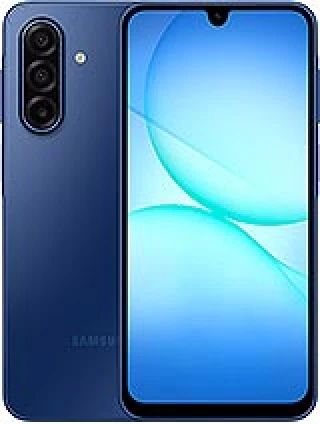
The Samsung Galaxy A16 5G emerges as a compelling mid-range contender, aiming to blend essential features with the burgeoning 5G connectivity at an accessible price point. Launched on October 25, 2024, it builds upon Samsung's tradition of delivering reliable devices to a broad audience. This model appears to be a strategic refresh or iteration within the popular A-series, seeking to offer an improved user experience without venturing into premium territory. The device boasts a modern design, a vibrant display, capable performance for everyday tasks, and a versatile camera system. With its Super AMOLED display and a focus on long-term software support, the Galaxy A16 5G positions itself as a device that can cater to both the immediate needs of consumers and their evolving digital lives. The inclusion of 5G ensures future-proofing, allowing users to leverage faster download and upload speeds as network infrastructure expands. Its competitive pricing, starting around €215.34, makes it an attractive option for budget-conscious buyers who still desire a well-rounded smartphone experience. This review will delve into the specifics of the Galaxy A16 5G, examining its strengths and weaknesses to determine its standing in the crowded smartphone market.
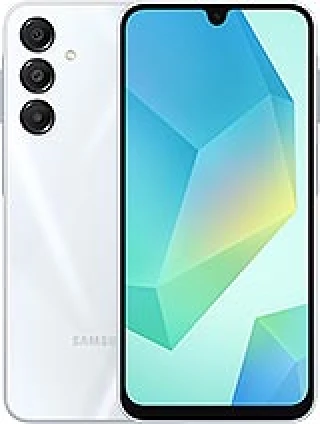
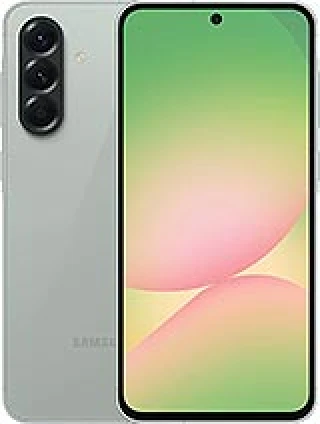
The Samsung Galaxy A16 5G presents a refined aesthetic that aligns with contemporary smartphone trends. Measuring 164.4 x 77.9 x 7.9 mm and weighing 200 grams, it strikes a balance between a substantial in-hand feel and manageable dimensions. The construction features a glass front, complemented by a plastic back and frame, a common and practical choice in this segment that helps keep costs down while offering decent durability. The device is designed with user flexibility in mind, offering either a single Nano-SIM or a hybrid Dual SIM setup, accommodating a second SIM or a microSDXC card for expandable storage. A notable feature for its class is the IP54 rating for dust and splash resistance, providing an extra layer of protection against everyday environmental hazards. The overall look is sleek, with a choice of appealing colors: Blue Black, Light Gray, Gold, and Light Green, allowing users to personalize their device. The side-mounted fingerprint sensor is strategically placed for easy and intuitive access, contributing to the phone's seamless user interface. While the plastic frame and back might not exude the premium feel of metal or glass, they contribute to a lighter device and a more resilient build against accidental drops. The form factor is ergonomic, designed for comfortable one-handed use despite its relatively large screen. The button placement is standard, with power and volume controls easily accessible.
The Samsung Galaxy A16 5G features a vibrant 6.7-inch Super AMOLED display, a standout feature for a device in its price range. With a resolution of 1080 x 2340 pixels and a 19.5:9 aspect ratio, it delivers sharp visuals with a pixel density of approximately 385 ppi, ensuring content appears crisp and detailed. The Super AMOLED technology provides deep blacks, excellent contrast, and vivid colors, making it ideal for media consumption, gaming, and general browsing. The display also boasts a 90Hz refresh rate, which translates to smoother scrolling, more fluid animations, and a more responsive touch experience compared to standard 60Hz displays. This higher refresh rate significantly enhances the overall user experience, making the interface feel more dynamic and engaging. With 800 nits of typical brightness (HBM - High Brightness Mode), the screen should be easily readable even in bright daylight conditions, as confirmed by the test result of 824 nits max brightness. The impressive screen-to-body ratio of approximately 86.0% further maximizes the viewing area, with slim bezels contributing to an immersive experience. Whether watching videos, playing games, or simply navigating the interface, the display on the Galaxy A16 5G promises a visually pleasing and engaging experience, a significant draw for users who prioritize screen quality.
Under the hood, the Samsung Galaxy A16 5G is powered by a choice of chipsets: either the Exynos 1330 (5 nm) or the MediaTek Dimensity 6300 (6 nm). Both are octa-core processors, with configurations featuring high-performance Cortex-A78 (2x2.4 GHz) or Cortex-A76 (2x2.4 GHz) cores paired with efficiency-focused Cortex-A55 cores (6x2.0 GHz). This dual-chip strategy allows Samsung to cater to different market demands and potentially optimize costs. Paired with either the Mali-G68 MP2 or Mali-G57 MC2 GPU, the device is designed to handle everyday tasks with fluidity, including web browsing, social media, messaging, and light multitasking. The AnTuTu benchmark scores of 368854 (v9) and 435895 (v10), along with GeekBench scores of 2090 (v5) and 2042 (v6), suggest a respectable performance level for its price bracket, capable of running most popular applications and casual games without significant lag. The inclusion of up to 8GB of RAM across various configurations (128GB 4GB, 128GB 6GB, 128GB 8GB, 256GB 8GB) ensures smooth app switching and better multitasking capabilities. Storage options are generous, with 128GB being standard and a 256GB option available, further expandable via microSDXC. The device runs on Android 14 with One UI 6.1, promising a modern and feature-rich software experience with an emphasis on long-term software updates, with up to six major Android upgrades promised, significantly enhancing its longevity and value proposition.
The Samsung Galaxy A16 5G operates on Android 14, enhanced by Samsung's proprietary One UI 6.1. This combination delivers a user-friendly and feature-rich experience that is characteristic of Samsung devices. One UI 6.1 is known for its intuitive interface, extensive customization options, and a suite of Samsung-specific features that aim to streamline daily use. The commitment to providing up to six major Android upgrades is a significant advantage, positioning the A16 5G as a device with exceptional longevity in the software department, a rarity in the mid-range segment. This means users can expect to receive new Android versions and security patches for an extended period, ensuring the phone remains up-to-date and secure. The software includes features like Samsung's robust multitasking capabilities, enhanced privacy controls, and a refined notification system. The inclusion of Samsung's ecosystem apps, such as Samsung Health and Samsung Pay (depending on region), adds further utility. While the chipset choices (Exynos 1330 or Dimensity 6300) are designed for efficiency and moderate performance, the software optimization plays a crucial role in ensuring a smooth user experience. The device also boasts virtual proximity sensing, a clever software-based solution that enhances the user experience during calls and face unlock operations without the need for a dedicated hardware sensor in some areas. The overall software package aims to provide a balanced blend of functionality, ease of use, and long-term support, making it a compelling choice for users who value a dependable and up-to-date operating system.
The Samsung Galaxy A16 5G is equipped with a versatile triple-camera system on the rear, headlined by a 50 MP main sensor with an f/1.8 aperture, 1/2.76" size, and 0.64µm pixels, featuring autofocus (AF). This high-resolution main camera is complemented by a 5 MP ultrawide lens (f/2.2, 1/5.0", 1.12µm) for capturing broader scenes, and a 2 MP macro lens (f/2.4) for close-up shots. The rear camera system is capable of recording video at 1080p resolution at 30 frames per second, with gyro-EIS (Electronic Image Stabilization) for smoother footage. Features like LED flash, panorama, and HDR are supported, allowing for flexible shooting in various lighting conditions. The selfie camera is a 13 MP sensor (f/2.0, 1/3.1", 1.12µm) that can also capture video at 1080p@30fps, ensuring decent quality for self-portraits and video calls. While the megapixel count of the main camera is impressive, actual image quality will depend on Samsung's image processing, which is typically well-tuned in their devices. The inclusion of an ultrawide lens adds significant versatility, allowing users to capture a wider field of view for landscapes or group photos. The macro lens offers creative possibilities for capturing intricate details. The video capabilities are standard for the segment, offering sufficient quality for casual recording. Overall, the camera setup on the Galaxy A16 5G appears to be well-equipped to handle a variety of photographic scenarios, aiming to deliver good results for everyday use.
The Samsung Galaxy A16 5G is powered by a robust 5000 mAh non-removable battery. This substantial capacity is designed to provide all-day power for most users, even with moderate to heavy usage. The inclusion of 25W wired charging ensures that the device can be recharged relatively quickly when needed. While the exact charging times are not specified, 25W is a respectable charging speed for a mid-range smartphone and should offer a convenient experience. The 'Active use score 12:08h' benchmark indicates strong endurance, suggesting that users can expect a full day of active usage without needing to reach for a charger. The non-removable nature of the battery is standard for modern smartphones and contributes to the device's sleek design and IP rating. The combination of a large battery and efficient power management, likely aided by the 5 nm or 6 nm chipsets, makes the Galaxy A16 5G a reliable companion for users who are away from a power outlet for extended periods. This focus on battery life is a crucial aspect for many consumers, and Samsung appears to have prioritized it in the A16 5G's design.
The Samsung Galaxy A16 5G offers comprehensive connectivity options, ensuring users can stay connected in various ways. It supports the latest network technologies, including GSM, HSPA, LTE, and importantly, 5G, allowing for faster data speeds and lower latency where supported. For wireless local area networking, it features Wi-Fi 802.11 a/b/g/n/ac, supporting dual-band connectivity and Wi-Fi Direct for seamless device-to-device connections. Bluetooth is updated to version 5.3, with A2DP and LE support, ensuring efficient and stable wireless audio streaming and peripheral connections. Location services are robust, with support for GPS, GALILEO, GLONASS, BDS, and QZSS, providing accurate and reliable navigation. NFC is included, though its availability is market and region dependent, enabling contactless payments and quick pairing with compatible accessories. A 3.5mm headphone jack is notably absent, a trend seen across many modern smartphones, meaning users will rely on USB Type-C or Bluetooth for audio output. The device uses a USB Type-C 2.0 port for charging and data transfer. The lack of an FM radio is also a common omission. The dual SIM capability further enhances its practicality for users who need to manage multiple phone numbers or data plans. Overall, the connectivity suite is modern and well-rounded, catering to the demands of contemporary mobile usage.
The Samsung Galaxy A16 5G enters a highly competitive segment, directly challenging devices like the Xiaomi Redmi Note series, Realme's numbered series, and other Samsung Galaxy A-series models. Compared to its predecessors, it brings the advantage of 5G at a potentially more accessible price point, alongside the promise of extended software support. Against competitors like the Xiaomi Redmi Note 13 Pro, the A16 5G might offer a more refined software experience with One UI and longer update cycles, while the Redmi might boast faster charging or a higher megapixel count on its main camera. The Realme 12 Pro could be a competitor, often focusing on design and camera capabilities, where the A16 5G's Super AMOLED display and robust software support could be differentiators. Samsung's own Galaxy A25 5G could be a close sibling, with the A16 5G potentially offering a newer chipset or slightly refined features. The decision between these devices often comes down to specific priorities: those who value a clean software interface and long-term updates might lean towards the A16 5G, while users seeking raw specifications or specific camera hardware might explore other options. The presence of IP54 dust and splash resistance on the A16 5G is a feature not always found on similarly priced competitors, adding to its practical appeal. The choice of chipsets also allows Samsung flexibility in pricing and performance tuning across different markets.
| Pros | Cons |
|---|---|
| Vibrant 6.7-inch 90Hz Super AMOLED display offering an excellent visual experience. | No 3.5mm headphone jack, requiring USB-C or wireless audio solutions. |
| Long-term software support with up to six major Android upgrades, ensuring device longevity. | Plastic build might not feel as premium as glass or metal. |
| 5G connectivity for future-proofing and faster network speeds. | Video recording limited to 1080p@30fps, lacking higher frame rate or resolution options. |
| Capable triple rear camera system with a 50 MP main sensor, ultrawide, and macro lenses. | NFC availability is market/region dependent. |
| Large 5000 mAh battery providing all-day endurance. | No FM radio support. |
| IP54 dust and splash resistance adds practical durability. | |
| Generous internal storage options up to 256GB, expandable via microSDXC. | |
| Modern Bluetooth 5.3 and comprehensive navigation support. | |
| Attractive design with multiple color options. |
The Samsung Galaxy A16 5G presents itself as a well-rounded and compelling option in the mid-range smartphone market. Its standout features, such as the fluid 90Hz Super AMOLED display, the substantial 5000 mAh battery, and the promise of an impressive six major Android upgrades, position it as a device that offers significant value and longevity. The inclusion of 5G connectivity ensures it's prepared for the future of mobile networks. The versatile camera system, while not flagship-level, is more than capable of capturing everyday moments with decent quality, and the added bonus of IP54 dust and splash resistance provides practical peace of mind. While the absence of a 3.5mm headphone jack and the plastic construction are minor compromises, they are largely in line with industry trends and acceptable for its price point. The choice of chipsets offers flexibility, and the overall software experience, powered by Android 14 and One UI 6.1, is expected to be polished and user-friendly. For consumers looking for a reliable, feature-rich smartphone with excellent long-term software support and a great display, without breaking the bank, the Samsung Galaxy A16 5G is a strong contender that deserves serious consideration.
SHARE THIS POST