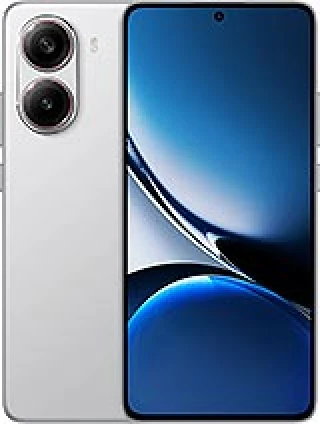
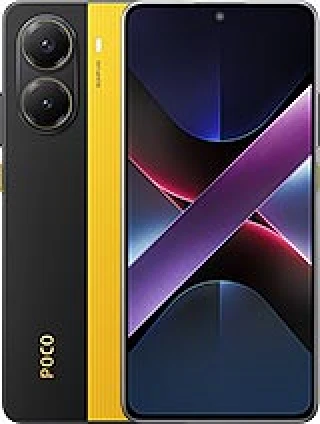
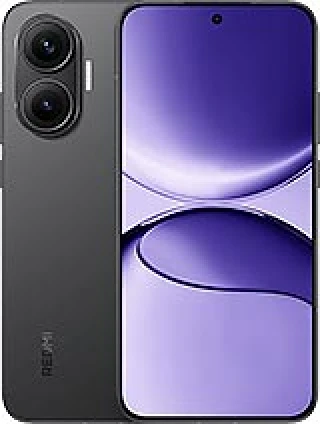
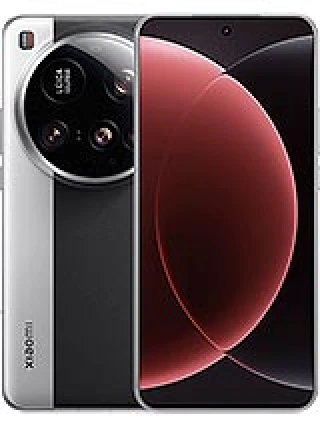
The Xiaomi Redmi Turbo 4 emerges as a compelling mid-range contender, aiming to deliver a premium smartphone experience without the flagship price tag. Announced on January 2, 2025, and released on the same day, this device is positioned to capture a significant segment of the market with its blend of cutting-edge technology and thoughtful design. It boasts a vibrant AMOLED display, a powerful Mediatek Dimensity 8400 Ultra chipset, and a versatile dual-camera system, all powered by a substantial Si/C battery. The inclusion of IP68 dust and water resistance, along with stereo speakers and advanced audio capabilities, further elevates its appeal. Targeting users who demand high performance for gaming and productivity, a stellar visual experience, and reliable camera capabilities, the Redmi Turbo 4 aims to be an all-around performer that punches above its weight. With a starting price of approximately 270 EUR, it presents a strong value proposition in a competitive landscape.
The Xiaomi Redmi Turbo 4 presents a refined and modern aesthetic, measuring 161 x 75.2 x 8.1 mm and weighing a substantial 203.5g, which lends it a solid in-hand feel. The device's construction prioritizes both durability and elegance, featuring a premium build that belies its mid-range classification. A key highlight is its **IP68 dust and water resistance**, a feature often reserved for higher-tier devices, offering peace of mind against accidental spills and submersion up to 2 meters for 30 minutes. The design accommodates a **dual Nano-SIM setup**, catering to users who manage multiple lines or prefer separating personal and professional contacts. Available in classic **Black, White, and Blue** color options, the Redmi Turbo 4 offers a choice to suit diverse personal styles. While the specific materials used for the frame and back are not explicitly detailed, the overall dimensions and weight suggest a well-balanced device that feels substantial without being cumbersome. The port placement and button ergonomics are expected to follow Xiaomi's established design language, ensuring intuitive usability. The screen-to-body ratio of approximately 88.7% further contributes to a visually immersive experience, minimizing bezels for a more edge-to-edge display.
The visual experience on the Xiaomi Redmi Turbo 4 is a standout feature, headlined by its **6.67-inch AMOLED display**. This panel is engineered to deliver breathtaking visuals with **68B colors**, ensuring vibrant and accurate color reproduction. The **120Hz refresh rate** provides exceptionally smooth scrolling and animations, making every interaction feel more fluid and responsive. For enhanced visual fidelity, the display supports **Dolby Vision, HDR10+, and HDR Vivid**, offering deeper blacks, brighter highlights, and a wider dynamic range for compatible content. Peak brightness is a remarkable **3200 nits**, with a High Brightness Mode (HBM) of 1400 nits, ensuring excellent visibility even under direct sunlight. The display boasts a sharp resolution of **1220 x 2712 pixels** with a 20:9 aspect ratio, resulting in a dense **~446 ppi density**, which translates to crisp text and detailed imagery. The impressive **~88.7% screen-to-body ratio** further immerses the user by minimizing bezel intrusion. The combination of AMOLED technology, high refresh rate, advanced HDR support, and exceptional brightness makes the Redmi Turbo 4 an ideal device for media consumption, gaming, and everyday use, promising a truly captivating visual experience.
At the heart of the Xiaomi Redmi Turbo 4 lies the formidable **Mediatek Dimensity 8400 Ultra chipset**, built on a 4nm process. This powerhouse is complemented by an **Octa-core CPU** configuration: one 3.25 GHz Cortex-A725 core for peak performance, three 3.0 GHz Cortex-A725 cores for sustained heavy lifting, and four 2.1 GHz Cortex-A725 cores for efficiency. This architecture ensures that the Redmi Turbo 4 can handle demanding tasks, from intensive gaming to complex multitasking, with remarkable fluidity. The **Immortalis-G720 MC7 GPU** further bolsters its gaming credentials, promising smooth frame rates and impressive graphical fidelity in the latest mobile titles. Storage options are generous and cutting-edge, featuring **UFS 4.0 technology** for lightning-fast read and write speeds. Users can choose from configurations offering **256GB or 512GB of internal storage**, paired with either **12GB or 16GB of RAM**. This ample RAM ensures seamless app switching and efficient background process management, preventing slowdowns even with numerous applications open. The absence of a card slot means users must select their storage wisely, but the provided options are more than sufficient for most users' needs. Overall, the performance package of the Redmi Turbo 4 is geared towards delivering a lag-free and highly responsive user experience, positioning it as a strong contender for performance-oriented users.
The Xiaomi Redmi Turbo 4 runs on the latest **Android 15 operating system**, overlaid with Xiaomi's proprietary **HyperOS 2**. This combination offers a familiar Android foundation enriched with Xiaomi's distinctive features, optimizations, and aesthetic. Android 15 is expected to bring enhancements in privacy, security, and user experience, building upon the robust features of its predecessors. HyperOS 2, building on the success of its earlier iterations, is likely to provide a clean, intuitive, and feature-rich interface. Users can anticipate a range of customization options, advanced power management tools, and seamless integration with other Xiaomi ecosystem devices. The inclusion of the latest OS versions suggests a commitment to long-term software support, including regular security updates and potential feature drops. The user experience is expected to be fluid and responsive, with HyperOS 2 designed to optimize performance and resource utilization in conjunction with the powerful Mediatek Dimensity 8400 Ultra chipset. While the specific nuances of HyperOS 2 will only be fully revealed upon release, Xiaomi's track record indicates a focus on delivering a polished and user-friendly software experience that enhances the overall functionality of the device.
The Xiaomi Redmi Turbo 4 features a capable **dual-camera system** on its rear, designed to capture a variety of photographic scenarios. The primary sensor is a high-resolution **50 MP, f/1.5 lens** with a 1/1.95" sensor size and 0.8µm pixels. This wide lens is equipped with **PDAF (Phase Detection Auto Focus) and OIS (Optical Image Stabilization)**, ensuring sharp and stable shots, especially in low-light conditions. Accompanying this is an **8 MP, f/2.2 ultrawide camera** with a 1/4.0" sensor and 1.12µm pixels, offering a wider field of view for capturing landscapes and group shots. The camera system supports essential features like **LED flash, HDR, and panorama modes**. For video recording, the main camera can shoot at **4K resolution at various frame rates (24/30/60fps)** and also offers impressive **1080p slow-motion capabilities** up to 960fps, all stabilized by **gyro-EIS**. The **20 MP, f/2.2 selfie camera** is designed for high-quality self-portraits and video calls, boasting a wide lens. Its video recording capabilities are standard at **1080p@30fps**. While the specifications suggest a strong primary camera, the ultrawide and selfie cameras are more modest, typical for its price segment. Overall, the Redmi Turbo 4's camera setup offers versatility for everyday photography and videography, with a focus on delivering good results from its main sensor.
The Xiaomi Redmi Turbo 4 is equipped with a substantial **Si/C 6550 mAh battery**, a notable capacity that promises excellent endurance for a full day or even more of moderate to heavy usage. The adoption of Silicon-Carbon (Si/C) battery technology often implies improved energy density and potentially faster charging capabilities compared to traditional lithium-ion batteries. When it comes to replenishment, the device supports **90W wired charging**, a significant speed that will dramatically reduce downtime. This charging technology is further enhanced by support for **PD3.0 and QC3+ standards**, ensuring broad compatibility and efficient power delivery. Xiaomi claims a remarkable **100% charge in just 45 minutes**, a convenience that will be highly appreciated by users on the go. The combination of a large battery capacity and ultra-fast charging addresses one of the most critical pain points for smartphone users, ensuring that the Redmi Turbo 4 is always ready when needed. The absence of wireless charging is a common trade-off in this price segment, but the blazing-fast wired charging more than makes up for it.
The Xiaomi Redmi Turbo 4 is future-proofed with comprehensive connectivity options, supporting the latest network technologies. It features **GSM / CDMA / HSPA / CDMA2000 / LTE / 5G**, ensuring global compatibility and access to the fastest mobile networks available. **Wi-Fi 802.11 a/b/g/n/ac/6** with dual-band support and **Wi-Fi Direct** capabilities ensures fast and reliable wireless internet access. **Bluetooth 6.0** with A2DP, LE, aptX, and LHDC 5 support provides advanced audio streaming and device pairing capabilities. The device boasts robust **multi-band GPS support**, including L1+L5 for GPS, G1 for GLONASS, B1I+B1c+B2a for BDS, E1+E5a for GALILEO, L1+L5 for QZSS, and L5 for NavIC, ensuring accurate location tracking. **NFC** is present for contactless payments and quick device pairing. The inclusion of an **infrared port** allows the phone to be used as a universal remote control. The device does not feature an FM radio. For wired connections, it utilizes **USB Type-C 2.0 with OTG support**, enabling data transfer and the use of external storage devices. The audio experience is further enhanced by **24-bit/192kHz Hi-Res & Hi-Res Wireless audio** support, and it features **stereo speakers** for an immersive sound experience, although it lacks a 3.5mm headphone jack.
The Xiaomi Redmi Turbo 4 positions itself in a highly competitive mid-range segment, aiming to rival devices like the Samsung Galaxy A series, certain OnePlus Nord models, and potentially even some lower-tier offerings from brands like Google Pixel. Compared to its direct competitors, the Redmi Turbo 4 stands out with its **superior chipset (Mediatek Dimensity 8400 Ultra)**, which generally outperforms mid-range Snapdragon offerings in raw processing power and GPU capabilities, making it a strong choice for mobile gamers. The **display specifications, particularly the peak brightness and Dolby Vision support**, are also impressive and often found in more expensive devices. The **90W fast charging and the large 6550 mAh battery** are also significant advantages, offering faster charging speeds and longer endurance than many rivals. The **IP68 rating** is another premium feature that differentiates it from most phones in its price bracket. However, some competitors might offer more refined camera software or a more established brand reputation for long-term software support, although Xiaomi has been improving in these areas. The choice of HyperOS 2 over a more stock Android experience will also appeal to some users more than others. Ultimately, the Redmi Turbo 4 offers a compelling package where it prioritizes raw performance, display quality, and charging speed, making it a strong contender for users who value these aspects.
| Pros | Cons |
|---|---|
| Powerful Mediatek Dimensity 8400 Ultra chipset for excellent performance. | No 3.5mm headphone jack. |
| Vibrant 6.67-inch AMOLED display with 120Hz refresh rate, Dolby Vision, and HDR10+. | No expandable storage via microSD card slot. |
| Exceptional peak brightness of 3200 nits for great outdoor visibility. | Ultrawide and selfie cameras are good but not class-leading. |
| Massive 6550 mAh Si/C battery for long-lasting endurance. | HyperOS 2 may not appeal to users who prefer a stock Android experience. |
| Very fast 90W wired charging, capable of 100% in 45 minutes. | Weight of 203.5g might be considered slightly heavy by some users. |
| IP68 dust and water resistance for added durability. | |
| Generous UFS 4.0 storage and ample RAM options (up to 512GB and 16GB). | |
| High-resolution 50MP main camera with OIS for great stills. | |
| Stereo speakers and Hi-Res audio support. | |
| Comprehensive connectivity including 5G, Wi-Fi 6, and advanced GPS. | |
| Modern design with a high screen-to-body ratio. | |
| Competitive pricing of approximately 270 EUR. |
The Xiaomi Redmi Turbo 4 emerges as a truly impressive device, masterfully balancing premium features with an accessible price point. Its strategic release in early 2025 positions it as a forward-thinking option for consumers seeking robust performance and cutting-edge technology. The powerful Mediatek Dimensity 8400 Ultra chipset, coupled with generous RAM and fast UFS 4.0 storage, ensures a fluid and responsive experience for demanding applications and gaming. The stunning AMOLED display, with its high refresh rate, vibrant colors, and exceptional brightness, provides an immersive visual feast. Furthermore, the Redmi Turbo 4 addresses common user concerns with its substantial 6550 mAh Si/C battery and incredibly rapid 90W charging, minimizing downtime and maximizing usability. The inclusion of IP68 water and dust resistance is a significant differentiator in its segment, adding a layer of ruggedness. While the camera system is capable, particularly its main sensor, it might not reach the heights of flagship devices, and the absence of a headphone jack is a common but still noteworthy omission. Despite these minor drawbacks, the Xiaomi Redmi Turbo 4 presents an outstanding value proposition. It offers a comprehensive suite of features, powerful performance, and a premium build that often comes at a much higher cost. For those looking for a high-performance, visually engaging, and enduring smartphone without breaking the bank, the Redmi Turbo 4 is an exceptional choice that is highly recommended.
SHARE THIS POST