Vivo X200 Ultra Review

The MobGadgets Verdict
The Vivo X200 Ultra is a specialist’s dream: an uncompromising camera phone that sets new standards in mobile photography, particularly with its 35mm main lens and 200MP telephoto. The optional photography kit makes it a credible alternative to a ded...
Overview
The Vivo X200 Ultra, released in China in April 2025, is a camera-first flagship that challenges the boundary between smartphones and dedicated cameras. It packs a triple-lens system built around a 35mm main sensor, a 200MP periscope telephoto, and a 50MP ultrawide, earning unanimous praise from reviewers as one of the most capable mobile photography tools available. However, its China-exclusive OriginOS software and large, heavy build mean it’s not a traditional all-rounder. This review focuses on whether the X200 Ultra delivers on its imaging promise and who should consider importing it.
Design & Build Quality

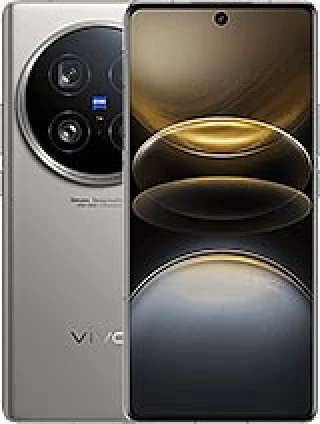
The Vivo X200 Ultra is unmistakably a flagship in terms of build quality, with a glass front and back, an aluminum frame, and an impressive IP69/IP68 rating for both dust and water resistance. Reviewers note the device feels robust and premium, but its size is a recurring talking point. The phone is physically large and heavy, which some found uncomfortable for everyday pocket carry. The camera bump is substantial, reflecting the large sensors underneath. The optional Photography Kit, frequently highlighted by reviewers, transforms the ergonomics by adding a grip, shutter button, and other tactile controls, making the phone feel much more like a compact camera. Without the kit, one-handed use can be a stretch, and the device stands out as a specialized tool rather than a sleek daily driver. The ultrasonic fingerprint sensor underneath the display is fast and reliable according to those who handled it.
Display
The 6.82-inch LTPO AMOLED display offers a resolution of 1440 x 3168 pixels, a 120Hz refresh rate, and a peak brightness of 4500 nits. Reviewers, including Notebookcheck, gave the screen strong marks for color accuracy and legibility outdoors, awarding it a 92% score. The high resolution makes text and images exceptionally sharp, and the variable refresh rate helps balance smoothness with power efficiency. While the display is clearly flagship-grade, reviewers focused more on the camera system; they considered the screen a competent but not groundbreaking companion to the imaging hardware. It’s bright enough for outdoor use and delivers vibrant colors, but it doesn’t steal the spotlight from the camera array.
Performance
Powered by the Qualcomm Snapdragon 8 Elite chipset with up to 16GB of RAM and UFS 4.1 storage, the X200 Ultra handles demanding tasks without issue. Tech Edit noted strong thermal management compared to some rivals, suggesting the device sustains performance well under heavy camera use or gaming. In day-to-day use, navigation and app switching are fluid, though reviewers admit the software can feel alien to those outside China. The chipset is among the fastest available in 2025, but the real performance story is how quickly the camera processes high-resolution images. The 200MP telephoto shots and continuous burst capture are snappy, thanks to the memory and storage speeds. Early software bugs, including camera app crashes, were reportedly patched with post-launch updates, so performance has improved since launch.
Software & UI
The Vivo X200 Ultra runs Android 15 with OriginOS 5, a China-exclusive ROM that lacks native Google services. Global buyers must manually install Google Play Services and Google Play, which reviewers describe as a hurdle but doable. OriginOS itself is feature-rich but unfamiliar, and some users may find the interface cluttered. More importantly, reviewers warn that features like Android Auto or seamless cloud sync may not work fully. The device is clearly designed for the Chinese market, and non-Chinese users should expect a compromised software experience. For those willing to tinker, the camera app remains the primary draw, with deep manual controls and LOG video support.
Camera Quality
The camera system is the undisputed star. The 50MP main sensor uses a 35mm equivalent focal length, which reviewers praise as more natural and versatile than the typical 24mm. The 200MP periscope telephoto (85mm, 3.7x optical) produces exceptionally clear and detailed portraits, with Tech Spurt calling it a standout. The 50MP ultrawide (14mm) completes a versatile set that Tech Edit described as the most complete smartphone camera tested. The optional 200mm lens attachment further extends reach. Stabilization, including gimbal OIS on the main lens, is excellent. Reviewers consistently agree the X200 Ultra sets new benchmarks for mobile photography, but note that the software processing can occasionally be over-aggressive. Portrait mode is particularly strong, leveraging the telephoto for natural bokeh. LOG video capture adds professional flexibility.
Battery Life
The 6000mAh silicon-carbon battery provides strong endurance, according to Tech Edit. While specific runtimes were not measured in the approved review notes, the large capacity paired with the efficient Snapdragon 8 Elite should last a full day even with heavy camera use. Charging speeds are 90W wired and 40W wireless, which are competitive but not class-leading. The device also supports reverse wireless charging. Given the camera emphasis, battery life is a key consideration, and early feedback suggests it holds up well under intensive imaging tasks.
Connectivity & Networking
Connectivity is comprehensive: Wi-Fi 7, Bluetooth 5.4, NFC, an infrared port, and USB-C 3.2. The IP69/IP68 rating distinguishes it as one of the most durable flagships for water and dust resistance. Reviewers note that the device supports global 5G bands but caution that carrier compatibility should be verified before importing. The ultrasonic fingerprint sensor works reliably even with wet hands. For most buyers, the hardware connectivity is future-proof, but the software restrictions (e.g., no Android Auto) limit practical usage outside China.
Comparison with Alternatives
Reviewers frequently compare the X200 Ultra to the Xiaomi 15 Ultra, Samsung Galaxy S25 Ultra, and OPPO Find X8 Ultra. Against the Xiaomi 15 Ultra, the X200 Ultra is noted for its unique 35mm main lens and superior telephoto capabilities in portrait mode. The Samsung Galaxy S25 Ultra offers a more polished software experience and broader global availability, but the Vivo’s 200MP periscope delivers better zoom clarity. The OPPO Find X8 Ultra is a direct rival in the ultra-premium camera segment, though reviews have not yet detailed head-to-head comparisons. Overall, the X200 Ultra leads in pure imaging hardware, but lags in software polish and global support compared to its competitors. Enthusiasts who value camera quality above all else will find the Vivo tempting, while those wanting a seamless all-rounder should lean toward the Galaxy S25 Ultra.
Pros and Cons
| Pros | Cons |
|---|---|
| Industry-leading camera system with versatile focal lengths | China-exclusive OriginOS requires manual setup for global services |
| High-quality 200MP periscope telephoto lens | Large and heavy physical footprint |
| Excellent display brightness and color accuracy | Not officially available in global markets, complicating support and warranty |
| Robust build quality with IP69 water/dust resistance | Niche focus may not appeal to average smartphone users |
| Unique optional photography kit for enhanced ergonomics |
Final Conclusion
The Vivo X200 Ultra is a specialist’s dream: an uncompromising camera phone that sets new standards in mobile photography, particularly with its 35mm main lens and 200MP telephoto. The optional photography kit makes it a credible alternative to a dedicated compact camera. However, the China-only software, large build, and lack of global support demand careful consideration. It’s best suited for photography enthusiasts willing to import and manage software quirks. If you prioritize a polished all-rounder with global warranty, look elsewhere. For sheer image quality, it’s hard to beat in 2025.