Samsung Galaxy S25 Review

The MobGadgets Verdict
The Samsung Galaxy S25 excels as a compact flagship for users who value performance and portability over radical hardware changes. Its Snapdragon 8 Elite chipset, bright display, and refined design make it a joy to use daily. However, the iterative c...
Overview
The Samsung Galaxy S25, released February 7, 2025, refines the compact flagship formula without radical changes. Powered by the Snapdragon 8 Elite chipset, it delivers a significant performance boost over its predecessor, making it ideal for gaming and fluid daily use. Its 6.2-inch Dynamic AMOLED 2X display reaches a peak brightness of 2600 nits and offers excellent outdoor visibility. While the camera hardware remains largely iterative from the S24, the device shines in ergonomics, build quality, and modern connectivity standards like Wi-Fi 7 and Qi2 wireless charging. It’s a well-rounded choice for users who prioritize a pocketable, high-performance phone.
Design & Build Quality
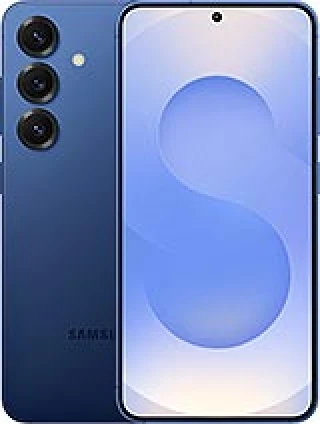
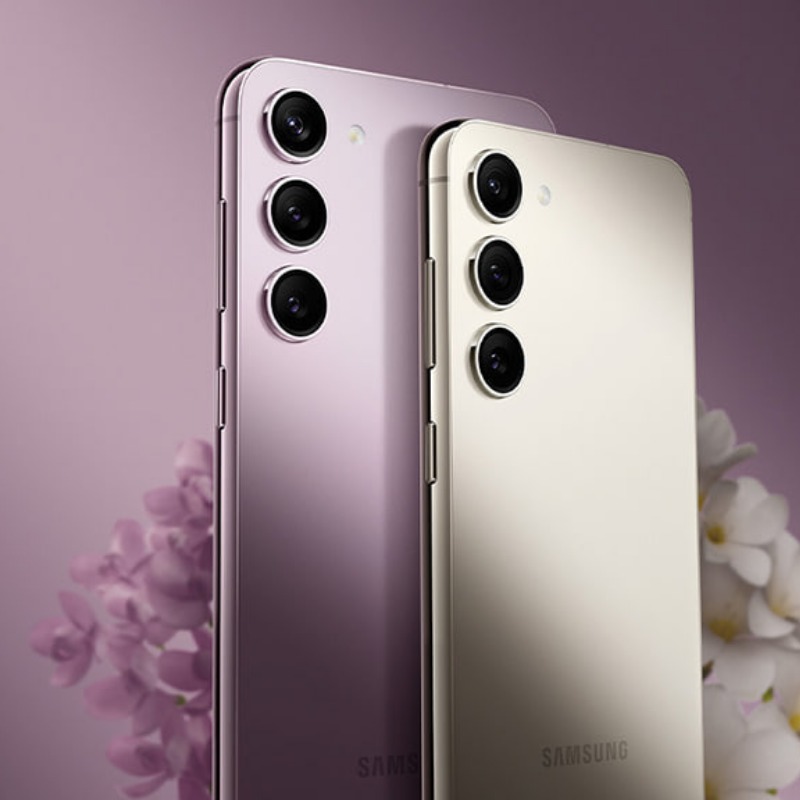
The Galaxy S25 stands out for its compact and lightweight build, measuring just 7.2 mm thick and weighing 162 grams. This slender profile, combined with rounded edges, makes it exceptionally comfortable for one-handed use and easy to slip into pockets—a rarity among today's larger flagships. The front and back are protected by Gorilla Glass Victus 2, and the aluminum frame adds a premium feel without adding heft. Samsung has retained the IP68 dust and water resistance rating, ensuring peace of mind in everyday conditions. The overall design language is clean and refined, with a minimalist camera layout that sits flush against the back. While the change from the S24 is subtle, the build quality and ergonomics are top-notch, appealing directly to those who value a phone that’s easy and pleasant to hold.
Display
The 6.2-inch Dynamic LTPO AMOLED 2X display is a highlight, featuring a 120Hz refresh rate, HDR10+ support, and a searing peak brightness of 2600 nits. Reviewers praise its vibrant colors and deep blacks, but the standout feature is its anti-glare coating, which makes content highly readable even under direct sunlight. The panel adapts seamlessly from 1Hz to 120Hz, balancing smooth animations with power efficiency. For a compact device, the screen-to-body ratio is generous, and the flat design minimizes accidental touches. Whether you're watching HDR video or scrolling social media, the display delivers a premium, immersive experience that rivals much larger phones.
Performance
Under the hood, the Snapdragon 8 Elite (3 nm) processor paired with 12GB of RAM and UFS 4.0 storage delivers a substantial performance uplift over the Galaxy S24. Reviewers consistently note that app launches, multitasking, and gaming are exceptionally fluid, with sustained performance even under heavy loads. The chipset’s efficiency also contributes to improved battery life despite the modest 4000 mAh cell. For high-end gaming, the Galaxy S25 handles demanding titles without stutter or overheating, and the 120Hz display makes everything feel silky smooth. While benchmarks are not cited here, the real-world experience is noticeably faster than the previous generation, making this one of the best-performing compact phones available. Buyers upgrading from an S24 will likely feel the difference most in everyday snappiness and gaming performance.
Software & UI
The Galaxy S25 runs Android 15 with Samsung’s One UI 7 on top, which emphasizes AI-driven tools and seamless integration across apps. Reviewers highlight features like intelligent photo editing, real-time translation, and smart battery management as useful additions that enhance daily use. The interface remains clean and highly customizable, with a focus on one-handed operation—fitting for a compact device. Samsung’s commitment to long-term software support is a major selling point, though the exact update policy isn’t detailed here. Overall, the software experience complements the hardware well, offering a smooth, feature-rich environment that leverages the new chipset’s AI capabilities effectively.
Camera Quality
The camera system on the Galaxy S25 is a familiar trio: a 50 MP main sensor with OIS, a 10 MP telephoto with 3x optical zoom, and a 12 MP ultrawide. The 12 MP selfie camera remains unchanged. Reviewers note that the hardware is largely iterative from the Galaxy S24, meaning photo quality is good but doesn’t represent a major leap. Daylight shots are sharp with accurate colors, but moving subjects and portraits sometimes lack the refinement seen on competitors. Low-light performance is solid thanks to the main sensor’s OIS, but the telephoto and ultrawide struggle in dim conditions. For users upgrading from an S23 or older, the camera is still competitive, but those expecting a significant photographic upgrade from the S24 may be disappointed. The real strength here is consistency and processing refinement rather than hardware innovation.
Battery Life
The 4000 mAh battery is modest by modern flagship standards, but efficiency improvements from the Snapdragon 8 Elite help it last a full day for most users under normal usage. Reviewers describe battery life as improved over the S24, though power users will likely need a top-up by evening. Charging speeds are a weak point: wired charging peaks at 25W (PD3.0), which is slow compared to rivals that offer 45W or higher. Wireless charging supports 15W via Qi2 and 4.5W reverse wireless. While the compact size limits battery capacity, the slower charging speed is a practical drawback for heavy users who need quick top-ups. The inclusion of Qi2 ready status is a plus for future accessory compatibility, but wired charging remains behind the curve.
Connectivity & Networking
The Galaxy S25 comes equipped with Wi-Fi 7, Bluetooth 5.4, NFC, and a USB Type-C 3.2 port — all modern standards that future-proof the device for high-speed networking and peripherals. It also supports Qi2 wireless charging, which opens up a wider ecosystem of magnetic accessories and faster wireless charging pads. The IP68 rating offers dust and water resistance, and Samsung’s connectivity suite is comprehensive. For users who rely on seamless wireless connections, the S25 delivers top-tier performance with no notable omissions.
Comparison with Alternatives
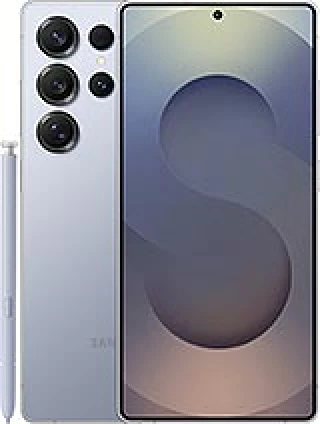
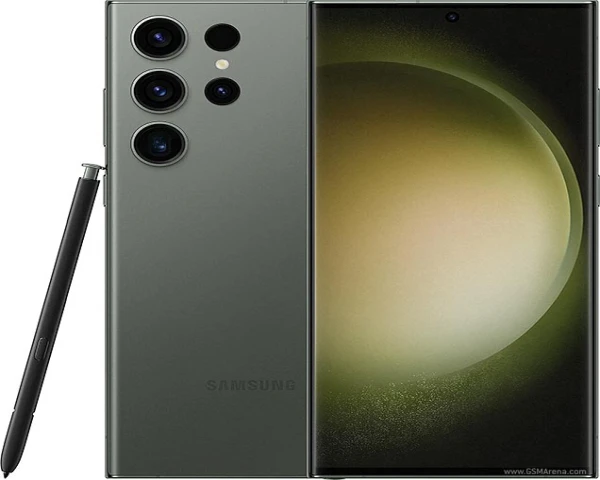
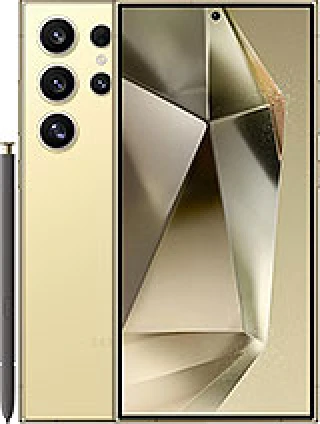
For existing Galaxy S24 owners, the Galaxy S25’s main upgrade value lies in the Snapdragon 8 Elite chipset, which brings a noticeable performance boost and improved efficiency in gaming and multitasking. However, the camera hardware, battery size, and 25W charging remain largely identical, making it a harder sell for those who already have the S24. Compared to other compact flagships like the Xiaomi 15 or Google Pixel 9a, the S25 offers a more refined build, superior display brightness, and longer software support commitment, but its camera system lacks the latest sensor innovations seen in some rivals. For users torn between sizes, the S25+ and S25 Ultra provide larger displays, bigger batteries, and better camera setups, but sacrifice the compact, one-handed ergonomics that define the standard S25. Ultimately, the S25 is best suited for those who prioritize performance and portability over iterative camera upgrades.
Pros and Cons
| Pros | Cons |
|---|---|
| Compact, lightweight, and ergonomic design | Iterative camera hardware with limited improvements over predecessor |
| High-performance Snapdragon 8 Elite chipset | 25W wired charging is slow by modern flagship standards |
| Excellent display brightness and outdoor visibility | Battery capacity limited by compact form factor |
| Long-term software support commitment | |
| Modern connectivity standards (Wi-Fi 7, Qi2) |
Final Conclusion
The Samsung Galaxy S25 excels as a compact flagship for users who value performance and portability over radical hardware changes. Its Snapdragon 8 Elite chipset, bright display, and refined design make it a joy to use daily. However, the iterative camera and slow 25W charging mean it’s not a must-upgrade for S24 owners. If you’re coming from an older phone or prioritize a pocketable device with top-tier processing power, the S25 is an excellent choice. For those seeking the best camera or fastest charging, consider the larger S25+ or Ultra models.