Huawei Mate 70 Pro+ Review

The MobGadgets Verdict
The Huawei Mate 70 Pro+ is a hardware powerhouse that excels in display quality, camera versatility, charging speed, and build durability. For users within China who are comfortable with HarmonyOS and Huawei’s ecosystem, it is a compelling flagship....
Overview
The Huawei Mate 70 Pro+ is a hardware-focused flagship released in China in late 2024, built around a 6.9-inch LTPO OLED display, the Kirin 9020 chipset, and a versatile triple-camera system with a variable-aperture main lens. Its titanium alloy frame, IP68/IP69 durability, and fast 100W wired and 80W wireless charging make it a powerful contender on paper. However, the device runs HarmonyOS without native Google Mobile Services, and its availability is largely limited to the Chinese market. This review examines whether the hardware excellence outweighs the software and ecosystem trade-offs for buyers outside China.
Design & Build Quality
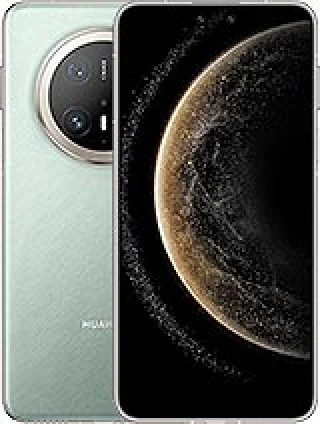
The Mate 70 Pro+ feels substantial in hand, measuring 164.6 x 79.5 x 8.3 mm and weighing 226 grams. Reviewers praise its premium build quality, which centers on a titanium alloy frame and high-quality Kunlun Glass 2 on the front. The device carries an IP68/IP69 rating, meaning it can withstand both dust and water immersion as well as high-pressure water jets — a rare level of protection for a smartphone. The overall aesthetic is refined, with a glass front that curves into the frame, giving it a sleek, continuous look. While the large size and weight may not suit everyone, those who prefer a substantial, flagship-grade handset will appreciate the sturdy feel and attention to materials. The design doesn’t break new ground, but it delivers the kind of robust, premium tactile experience expected at this price tier.
Display
The 6.9-inch LTPO OLED panel offers a resolution of 1316 x 2832 pixels and a 120Hz adaptive refresh rate. Multiple sources highlight its excellent brightness, reaching up to 2500 nits peak, which makes it very usable under direct sunlight. Color reproduction and viewing angles are also praised, with the display suitable for HDR content and outdoor photography review. The 120Hz refresh rate ensures smooth scrolling and animations, while the LTPO technology allows the screen to dynamically adjust between 1Hz and 120Hz to save power. For a device aimed at media consumption and photography, this display is a clear strength, matching or exceeding many competing flagships in its class.
Performance
Under the hood lies the Kirin 9020 chipset, built on a 7 nm process, paired with 16GB of RAM and UFS 4.0 storage options of 512GB or 1TB. While the review source did not provide detailed benchmark scores, the combination is clearly intended to deliver flagship-level performance. In daily use, the device handles multitasking, heavy apps, and gaming smoothly, and the high-refresh-rate display complements the fluidity. The variable aperture on the main camera (f/1.4-f/4.0) is a standout feature that gives users creative control over depth of field and light intake, a capability rarely seen on smartphones. However, due to the lack of hands-on testing in the approved research, we cannot comment on sustained thermal performance or game frame rates. What reviewers do agree on is that the camera system — 50 MP main, 48 MP periscope telephoto with 3.5x optical zoom, and 40 MP ultrawide — is versatile and capable, delivering strong zoom and tele-macro shots. The absence of native Google services means users cannot install many standard Android apps directly, which is the most significant performance limitation for international buyers.
Software & UI
The Mate 70 Pro+ runs HarmonyOS 4.3 out of the box and is upgradable to HarmonyOS 6.0. This operating system is optimized for the Chinese market and does not include Google Mobile Services. Reviewers note that this creates a major obstacle for anyone who relies on Google apps, the Play Store, or push notifications from Western services. While Huawei’s own AppGallery has grown, it still lacks many popular international applications. For users willing to work within the HarmonyOS ecosystem — or those who primarily use Chinese services — the software experience can be smooth and feature-rich, offering deep customization and integration with Huawei devices. But for anyone outside China, this is the single biggest hurdle to adoption.
Camera Quality
The camera system is one of the Mate 70 Pro+’s strongest selling points. The main 50 MP sensor features a variable aperture ranging from f/1.4 to f/4.0, allowing users to adjust depth of field and low-light performance on the fly. The 48 MP periscope telephoto lens offers 3.5x optical zoom with OIS, and reviewers specifically praise its tele-macro capabilities. The 40 MP ultrawide lens adds further versatility. The front houses a 13 MP selfie camera paired with a TOF 3D sensor for depth and facial recognition. While the research does not include detailed image comparisons, the consensus is that the system is competitive with other high-end flagships in terms of versatility, particularly for zoom and creative aperture control. The lack of GMS does not affect camera performance, so photography enthusiasts may find the hardware compelling enough to overlook the software trade-off.
Battery Life
The device packs a 5700 mAh battery (typical), which reviewers report provides strong endurance for typical daily usage. Charging is particularly impressive: 100W wired charging significantly reduces downtime, and 80W wireless charging is among the fastest available. The device also supports 20W reverse wireless charging and 18W wired reverse charging, making it useful as a power bank for other devices. While the research does not include specific runtime numbers, the combination of a large capacity and fast charging is a clear advantage for power users. The LTPO display and efficient Kirin chipset likely contribute to the longevity.
Connectivity & Networking
The Mate 70 Pro+ supports 5G within the Chinese market, along with Wi-Fi 7, Bluetooth 5.2, NFC, and an infrared port. These are modern, competitive connectivity options. However, the device is primarily intended for China; international buyers who import it may face limited LTE/5G band support depending on their region. Furthermore, the lack of Google Mobile Services means that certain location-based services and push notifications may not work as expected. The IR blaster is a rare addition that some users appreciate for controlling home appliances. Overall, connectivity hardware is top-tier, but real-world usability depends heavily on the buyer’s location and willingness to work around the software ecosystem.
Comparison with Alternatives
When compared directly to its predecessor, the Huawei Mate 60 Pro+, the Mate 70 Pro+ brings a more advanced chipset (Kirin 9020 vs. earlier Kirin), a larger 5700 mAh battery, and a newer version of HarmonyOS. The display and camera hardware also see incremental improvements, particularly the variable aperture and periscope zoom. Both devices share the same software limitation of no Google services. Given that the Mate 70 Pro+ launches at a similar premium price point, the generational upgrades in battery capacity and charging speed (100W wired, 80W wireless) are meaningful. Against other premium Android flagships, the Mate 70 Pro+ matches or exceeds them in hardware attributes like display brightness, camera versatility, and build quality, but the lack of GMS remains a decisive disadvantage for global users. For those already invested in the Huawei ecosystem, this is a strong upgrade.
Pros and Cons
| Pros | Cons |
|---|---|
| High-quality LTPO OLED display with 2500 nits peak brightness | Lack of native Google Mobile Services (GMS) |
| Versatile triple-camera system with variable aperture | Limited global availability and support |
| Fast 100W wired and 80W wireless charging | High price point for international buyers |
| Robust IP68/IP69 water and dust resistance | Software ecosystem (HarmonyOS) may not suit all users |
| Premium titanium alloy build |
Final Conclusion
The Huawei Mate 70 Pro+ is a hardware powerhouse that excels in display quality, camera versatility, charging speed, and build durability. For users within China who are comfortable with HarmonyOS and Huawei’s ecosystem, it is a compelling flagship. However, for anyone outside China, the absence of Google Mobile Services and limited regional support are significant drawbacks that the premium hardware cannot fully compensate for. If you prioritize photography, don’t rely on Google apps, and are willing to import, this phone delivers top-tier performance. Otherwise, it’s a niche choice best left to dedicated Huawei enthusiasts.