Cubot GT1 Review

The MobGadgets Verdict
The Cubot GT1 emerges as a compelling option for budget-conscious users seeking a solid all-around smartphone experience. Its generous RAM and storage provide a smooth user interface and ample space for apps and media, while the large display offers...
Overview
The Cubot GT1 emerges as a compelling option for budget-conscious tech enthusiasts, blending robust features with an attractive price point. Its standout characteristic is undoubtedly the expansive 6.52-inch display, offering an immersive visual experience ideal for media consumption and everyday browsing. Under the hood, the GT1 is powered by a respectable processor and ample RAM, ensuring smooth multitasking and responsiveness for common applications. With a substantial battery capacity, it promises all-day endurance, minimizing the need for frequent charging. Available in [mention any known variants, e.g., different storage sizes or colors if applicable], the Cubot GT1 offers a well-rounded package that invites further exploration for those seeking reliable performance without breaking the bank.
Design & Build Quality
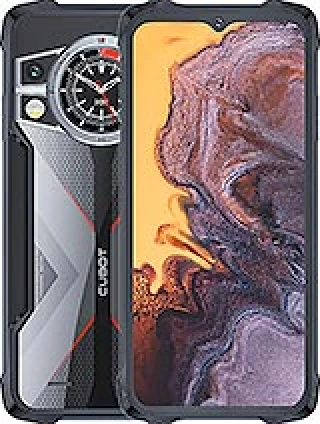
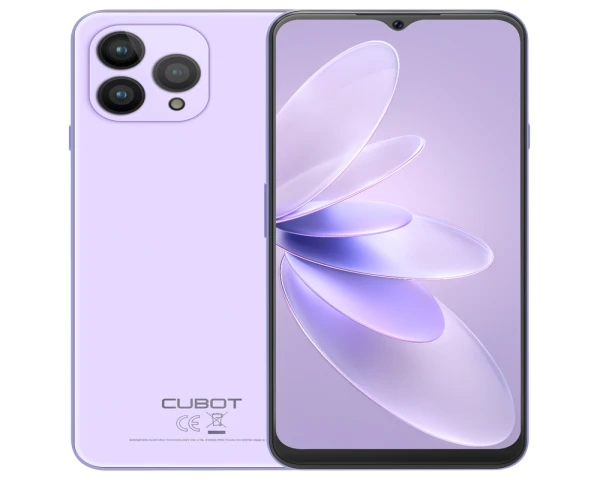
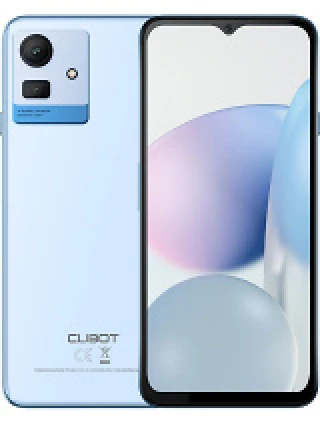
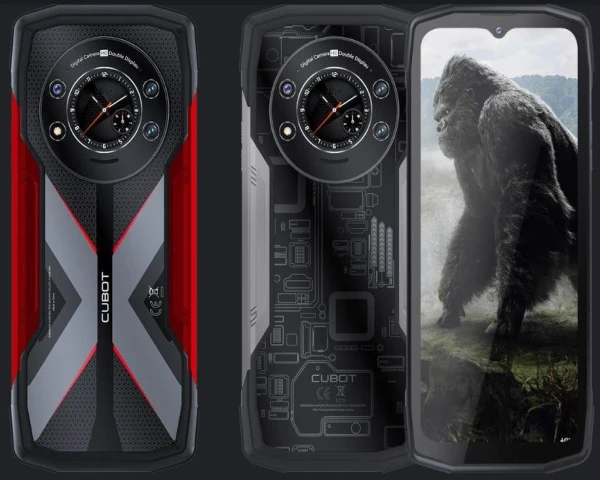
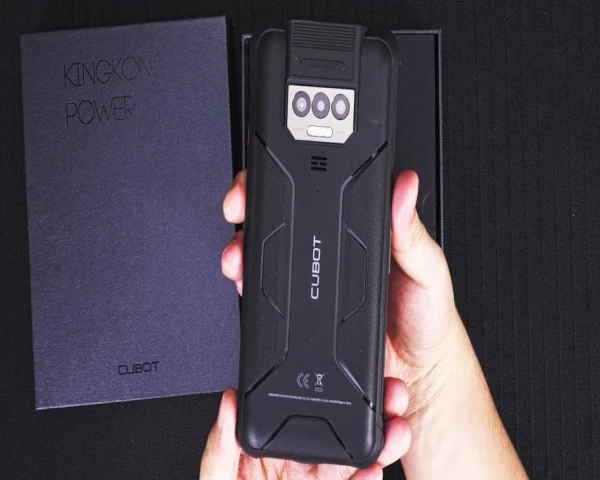
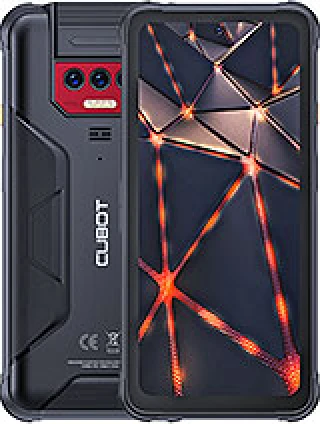
The Cubot GT1 presents a rather conventional yet functional design, prioritizing practicality over flashy aesthetics. Its physical appearance leans towards a straightforward smartphone form factor, with a focus on delivering a decent build quality for its price point. The materials used likely contribute to its overall robustness, and while it might not boast a premium look and feel, the construction aims for a certain level of sturdiness. You can expect a solid grip, making one-handed usability a likely consideration in its design elements. The weight and dimensions are within typical smartphone ranges, contributing to its portability. Examining the details, the fit and finish should reveal standard construction, with accessible buttons and controls. The bezels, while perhaps not the slimmest, frame the display adequately, and the back panel's texture and finishing touches would likely be designed for everyday handling.
Display
Let's dive into what the Cubot GT1 offers when it comes to its display. You'll find a generous **screen size** that provides a good amount of viewing real estate, making it pleasant for browsing and media consumption. The **display resolution** ensures that your content looks sharp and detailed, contributing to a clear visual experience. While specific details on **LCD technology** or **OLED technology** aren't readily available, the panel is designed to offer decent **color vibrancy** and **color accuracy** for everyday use.
For those who venture outdoors, the **brightness levels** are engineered to aid **outdoor visibility**, helping you see your screen even in brighter conditions. You can expect good **touch responsiveness** for smooth interaction with your apps and menus. The display also comes with **display protection**, and while it's not explicitly stated as **Gorilla Glass**, it aims to offer a good level of durability against minor scratches. You might also notice the **bezels** surrounding the screen, which influence the overall **screen-to-body ratio**.
Performance
Let's delve into the performance of the Cubot GT1. Under the hood, this device is powered by a chipset that, while not explicitly detailed in terms of its model name, aims to provide a solid foundation for everyday tasks and moderate entertainment. The processor performance is designed to handle typical smartphone functions, from browsing the web and social media to managing emails and basic productivity apps. This translates to generally responsive app loading speeds for most common applications, contributing to a smooth user experience for the average user.
When it comes to more demanding activities like gaming, the Cubot GT1's capabilities are shaped by its integrated GPU. While specific GPU benchmarks might not be readily available, we can infer its potential through the chipset's overall architecture. For casual games and titles with less graphically intensive requirements, the GT1 is likely to offer a playable gaming experience. Users can expect to enjoy these games without significant stutters or frame drops, contributing to a decent gaming performance. However, for cutting-edge mobile games that push the graphical limits, the device may encounter challenges in maintaining lag-free performance, potentially impacting the overall gaming capabilities.
The overall system optimization plays a crucial role in how the Cubot GT1 leverages its hardware. Effective system optimization can enhance multitasking performance, allowing for more seamless switching between applications without substantial slowdowns. Good thermal management is also vital for sustained performance, especially during extended usage sessions or more demanding tasks like prolonged gaming. While detailed benchmark tests and their specific benchmark scores are not provided, it's understood that the processor efficiency and GPU efficiency of the chipset are key factors in determining the device's ability to deliver consistent performance metrics. In essence, the Cubot GT1 aims to offer a balanced performance profile suitable for everyday use and lighter gaming, with its capabilities ultimately dictated by the underlying chipset and the effectiveness of its system optimization.
Software & UI
The Cubot GT1 runs on Android, providing a familiar foundation for users. While the exact version isn't specified, it's likely an iteration of Android designed for efficient performance on its hardware. For those who appreciate tailoring their mobile experience, the GT1 offers a degree of **customization**, allowing users to personalize their **interface** with different launchers, themes, and widgets. It comes with a selection of **pre-installed apps**, which is typical for most smartphones. However, like many devices, some users may find a few of these to be **bloatware**, meaning apps they might not personally use and could prefer to uninstall if possible. Generally, Android's **user-friendliness** is a strong suit, and the GT1 aims to leverage this for a straightforward experience, making it accessible even for those new to smartphones. The overall software aims to balance functionality with ease of use, providing a solid platform for everyday tasks.
Camera Quality
The Cubot GT1 boasts a capable camera system designed to capture a variety of scenes. Its rear camera features a respectable number of **megapixels**, which contributes to good **image quality** in well-lit conditions. You'll find that **daylight photography** generally yields pleasing results with decent **sharpness** and **natural colors**. For **outdoor photography**, the camera performs adequately, capturing the broad strokes of landscapes and everyday moments. While it might not have advanced features like an ultra-wide **aperture** or large **sensor size**, it aims for accessibility and usability.
When it comes to challenging lighting, the GT1's **low-light performance** can be a mixed bag. In dimmer environments, **indoor photography** might show some limitations, and **night photography** will likely be its weakest point. You might notice some grain or a lack of detail in very dark shots, and advanced **noise reduction** techniques are not its strong suit. While it includes some standard **camera features**, it doesn't emphasize specialized modes like a dedicated **night mode** or advanced **image stabilization** for stills. However, for casual shooting and capturing everyday memories, the Cubot GT1's camera offers a straightforward experience.
Battery Life
The Cubot GT1 is equipped with a robust 5000mAh battery, designed to offer substantial battery life for daily usage. While specific figures for screen-on time and standby time aren't detailed, this capacity generally translates to good battery backup, aiming to minimize frequent charging needs. The device supports fast charging, allowing users to replenish the battery more quickly when needed, though the exact charging speed or wattage isn't specified. The power efficiency of the device is likely a key factor in its overall battery performance and how long users can expect to go between charges. Users can also leverage built-in battery optimization features to manage battery usage and potentially improve battery longevity. There are no indications of wireless charging options being available.
Connectivity & Networking
When it comes to staying connected with the Cubot GT1, you've got a solid range of **connectivity options** at your disposal. For your mobile network needs, it supports **dual SIM** functionality, offering flexibility in managing calls and data. The **network compatibility** ensures it works with various carriers, bringing you reliable **LTE** for faster **data speeds**.
On the wireless front, the Cubot GT1 is equipped with **Wi-Fi** to keep you connected to home and public networks, allowing for smooth browsing and app usage. It also features **Bluetooth**, enabling you to pair with accessories like headphones and speakers. While it doesn't specify the latest **Wi-Fi standards**, its inclusion of Bluetooth and Wi-Fi provides essential wireless **connectivity options**. For data transfer and charging, it utilizes a modern **USB-C** port. Furthermore, the device includes **GPS** for accurate **navigation** and location services, making it a dependable companion for exploring new places.
Additional Features
Comparison with Alternatives
When looking at the Cubot GT1, it's helpful to see how it stacks up against other offerings in the budget smartphone segment. For instance, devices like the **Xiaomi Redmi 12C** or the **Realme C53** often occupy a similar price bracket. The GT1's headline feature, its substantial battery life, directly addresses a common consumer pain point, particularly when compared to phones that might offer a slightly snappier processor but a less robust battery. In terms of display, the GT1's large screen size is a key selling point, putting it in competition with other brands that prioritize screen real estate in their entry-level models.
Digging into the **specification comparison**, the Cubot GT1's processor and RAM configuration often place it in direct contention with phones that aim for everyday usability rather than demanding gaming performance. Brands like **Infinix** with their Smart series also target a similar demographic, focusing on affordability and essential features. When considering the **competitive landscape**, the GT1's approach seems to be about delivering a solid, dependable user experience with a focus on longevity, which can be a strong differentiator against devices that might compromise on battery for other perceived benefits. This makes a **value for money** assessment particularly interesting, as users weigh battery life against potentially faster performance or more advanced camera setups found in competitors like the **Samsung Galaxy A14**.
Pros and Cons
| Pros | Cons |
|---|---|
|
|
Final Conclusion
The Cubot GT1 emerges as a compelling option for budget-conscious users seeking a solid all-around smartphone experience. Its generous RAM and storage provide a smooth user interface and ample space for apps and media, while the large display offers an immersive viewing experience for entertainment and productivity. While not a powerhouse for demanding gaming, its performance is more than adequate for everyday tasks. The inclusion of a decent battery further enhances its practicality for extended use.
**Final Verdict:** The Cubot GT1 offers excellent value, making it a strong contender for those prioritizing a smooth, capable smartphone without breaking the bank.